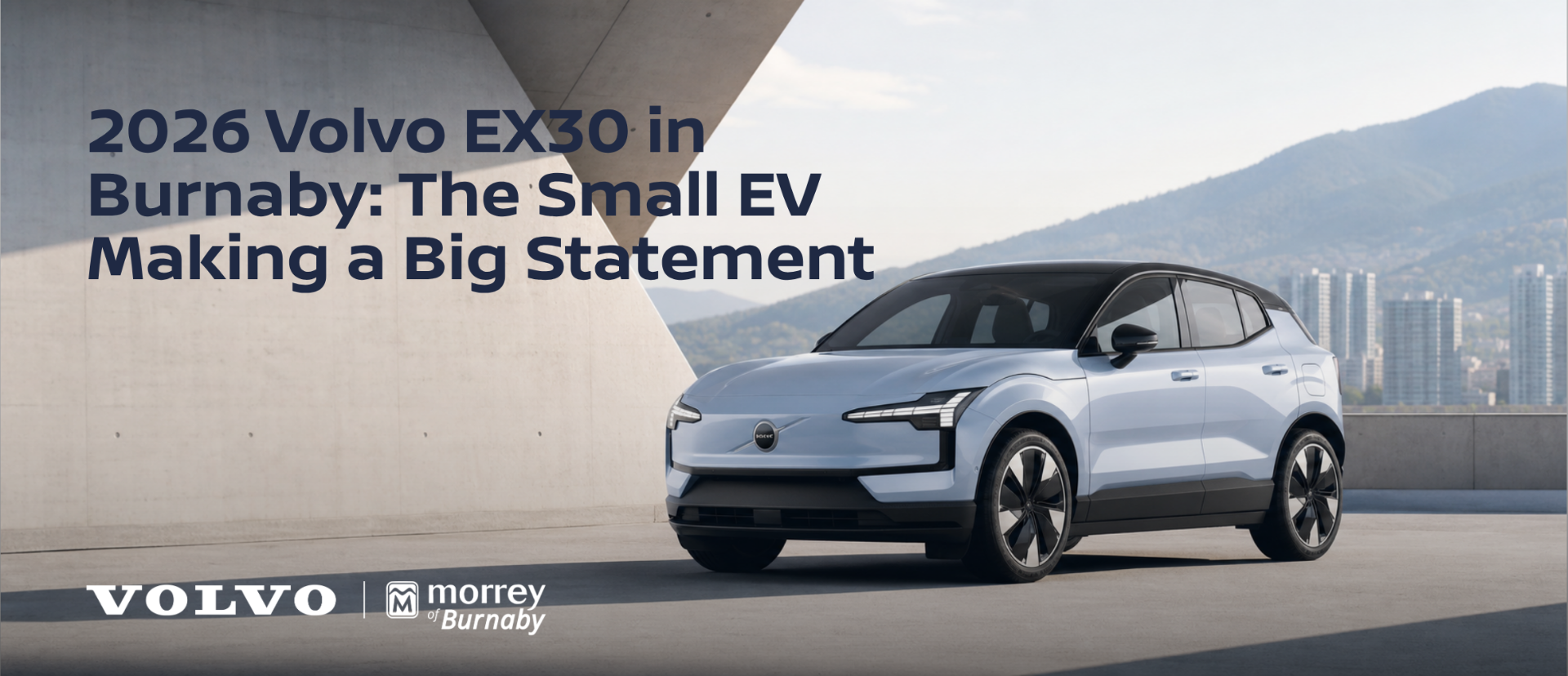
2026 Volvo EX30 in Burnaby: The Small EV Making a Big Statement
The Volvo EX30 Is Volvo's Most Exciting Car in Years. Here's Why Burnaby Buyers Are Paying Attention Volvo has always stood for something specific:...
Read moreMorrey Volvo Cars Burnaby

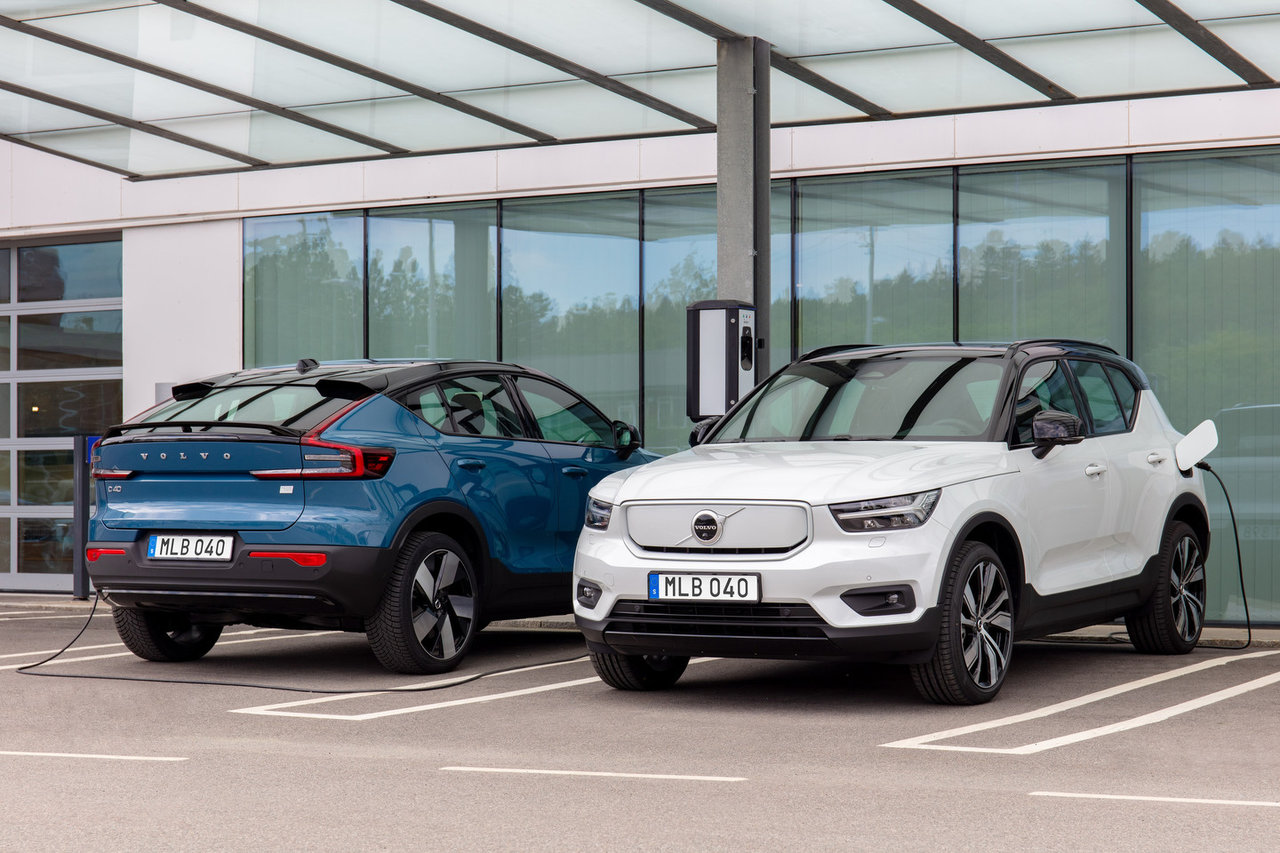
The Volvo XC40 and C40. Two entrants into the increasingly competitive EV market, both from the same manufacturer, both around the same size, both using the same powertrain and both costing around the same price. Two very intriguing choices; but which is for you?
You could say that the XC40 is the vet of the duo, having been around for a year more than the C40 in EV form, and a few years more if we consider the original gas-powered model. It is the more traditionally-styles of the two, what with its two-box shape and more vertical rear hatch. With its steeply-sloped roofline the C40 is the more aggressively-styled of the two, as well as Volvo’s first ever standalone electric model in that there is no gas-powered counterpart as there is with the XC40. It is likely the vehicle that a younger buyer might go for, one that doesn’t require as much rear headroom and would rather have the slick styling of a four-door coupe.
It's not all about for over function, however, when it comes to the C40. With its more aerodynamic shape and adds to the rear tailgate, it is the more streamlined of the two vehicles and gets more range from its 78 kWh battery pack, the same pack the XC40 uses. Volvo claims 359 km of range for the XC40, and 364 for the C40 as a result. Power from each vehicle’s dual-motor set-up is rated at 402 horsepower and 487 pound-feet of torque, which are some pretty generous figures for compact vehicle like these.
Inside, other than the back seats and cargo area, we once again see similarities, with the 9” vertical infotainment display, steering wheel and gauge cluster shared between the two. The main differences are the C40’s fixed-glass roof and the XC40’s opening moonroof as well as the light-up topographical inserts on parts of the C40’s dash, on-hand to show that it is the more lifestyle-oriented vehicle of the two. They also both can be charged on level III DC fast chargers, to the tune of 10 per cent to 80 per cent in just under 40 minutes.
Either way, each of these present a unique option in the EV space, and should at least be considered back-to-back as one approaches their EV purchase.
2026 Volvo EX30 in Burnaby: The Small EV Making a Big Statement
The Volvo EX30 Is Volvo's Most Exciting Car in Years. Here's Why Burnaby Buyers Are Paying Attention Volvo has always stood for something specific:...
Read more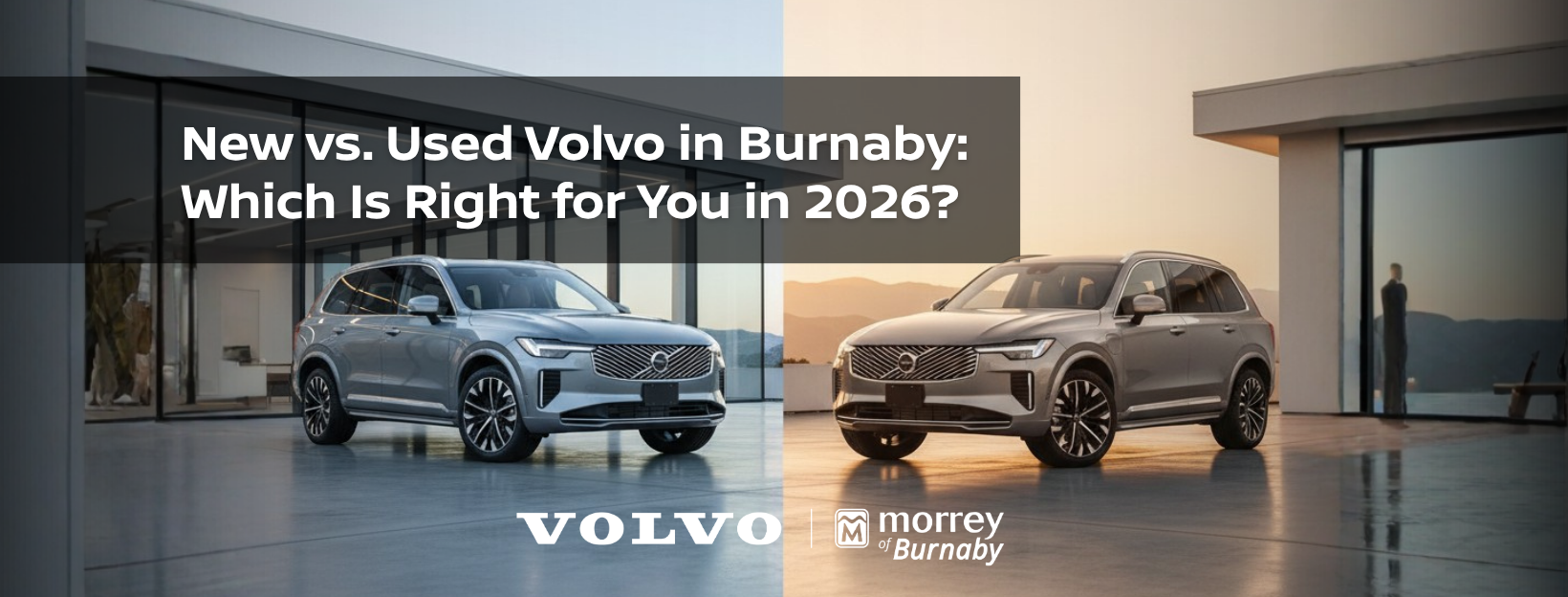
New vs. Used Volvo in Burnaby: Which Is Right for You in 2026?
Buying a vehicle is one of the biggest financial decisions you'll make — and one of the first questions most buyers face is whether to go new or...
Read more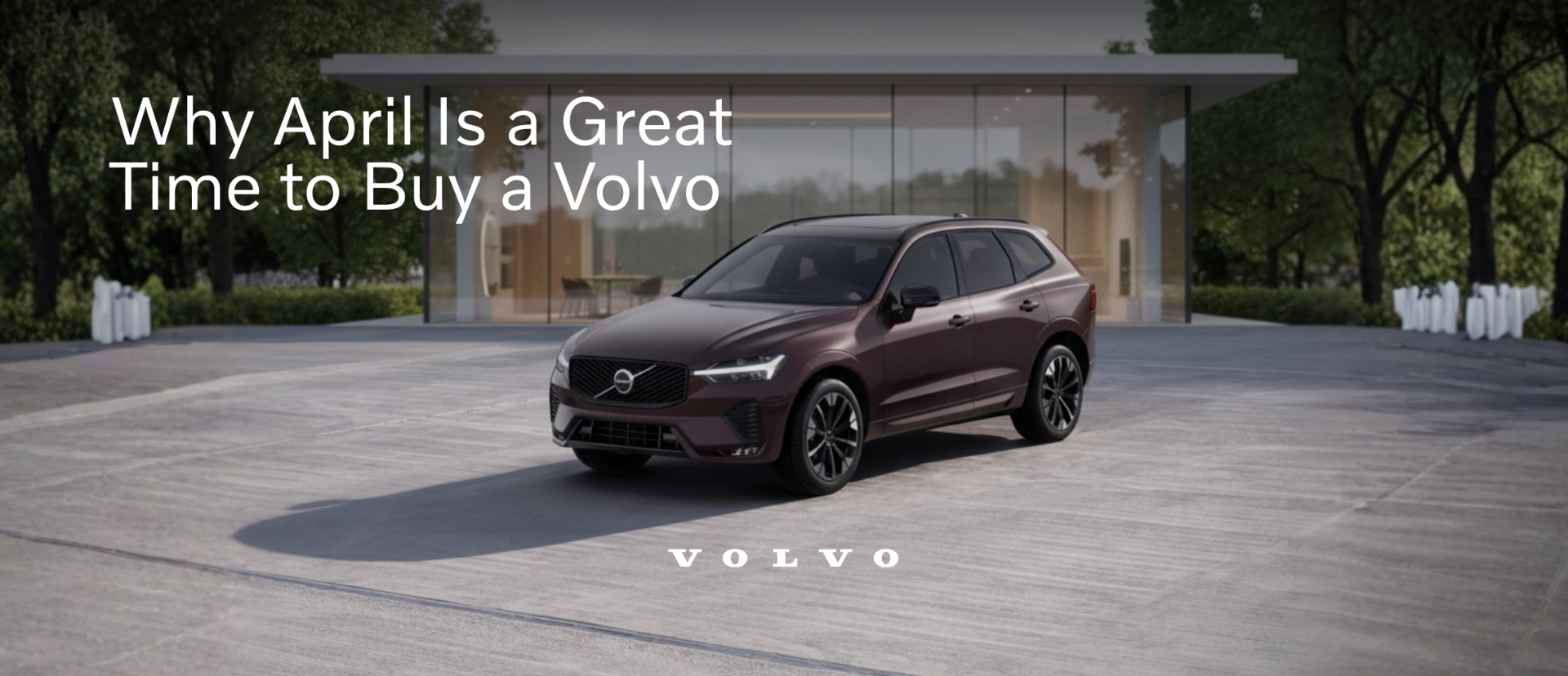
Why April Is a Great Time to Buy a Volvo
Spring has arrived in the Lower Mainland, and if you've been thinking about buying a new vehicle, April is one of the best times to act. At Morrey...
Read morePowered and developed by
