
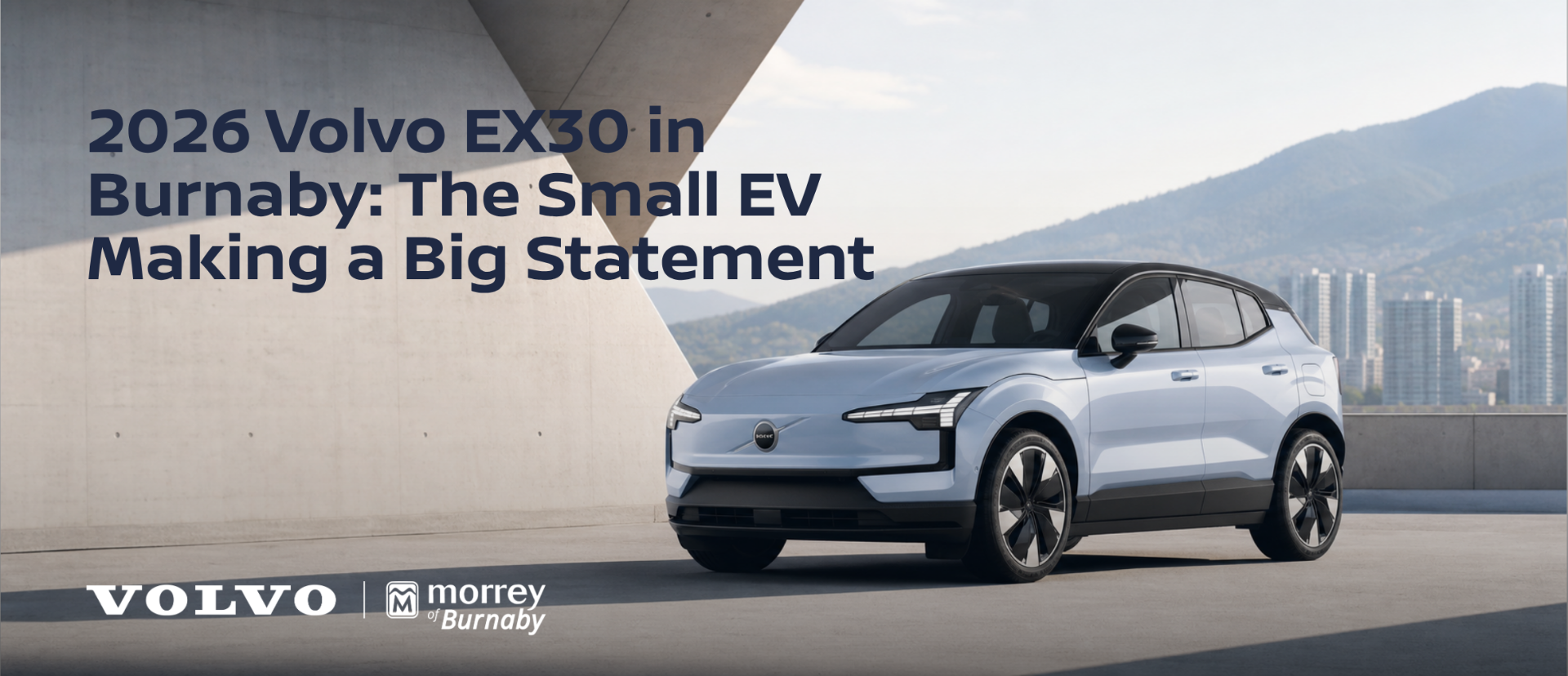
2026 Volvo EX30 in Burnaby: The Small EV Making a Big Statement
The Volvo EX30 Is Volvo's Most Exciting Car in Years. Here's Why Burnaby Buyers Are Paying Attention Volvo has always stood for something specific:...
Read moreMorrey Volvo Cars Burnaby
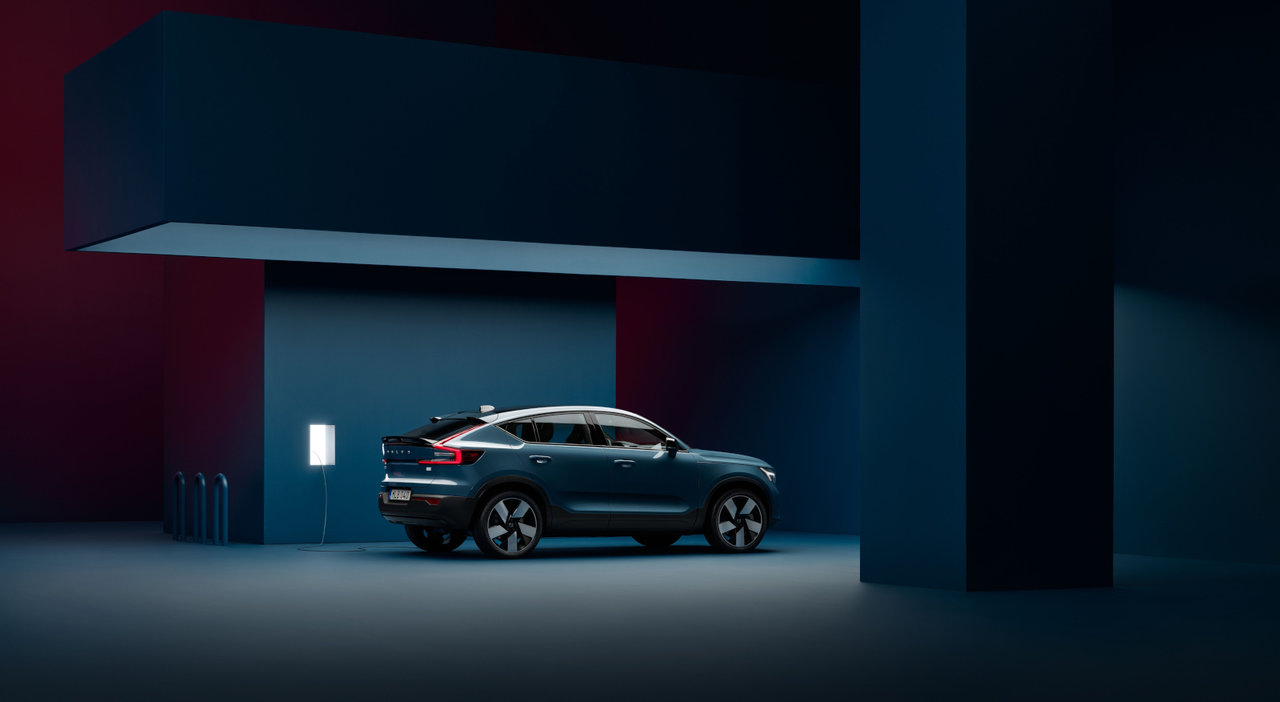
The automotive industry is undergoing a profound transformation, driven by the increasing demand for sustainable transportation options. Electric vehicles (EVs) have emerged as a promising solution, offering zero-emission driving experiences and reducing our carbon footprint. However, to fully embrace the electric revolution, it is crucial to understand the backbone of the EV ecosystem: the charging infrastructure. Let’s take a look at the various types of EV chargers and unravel how they work, empowering you with the knowledge to make informed decisions as an EV owner.
Level 1 Chargers: Convenience at Your Fingertips
Let's begin with the simplest and most readily available charging solution: the Level 1 charger. This charger is usually included with your EV purchase and operates on a standard 120-volt household outlet. While convenient, Level 1 chargers are relatively slow, delivering approximately 3 to 8 kilometres of range per hour of charging. They are best suited for overnight charging, as it may take 8 to 36 hours or more to fully charge an EV, depending on its battery capacity.
Level 2 Chargers: Accelerating Your Charging Experience
Level 2 chargers are the go-to option for quicker charging times and increased convenience for most EV owners. These chargers require a 240-volt circuit, similar to those used for appliances like clothes dryers. Level 2 chargers can add around 16 to 96 kilometres of range per hour, significantly reducing charging times compared to Level 1 chargers.
Level 2 chargers come in various forms, including wall-mounted chargers for home use and public charging stations. Many EV owners choose to install a Level 2 charger at home, providing them with a hassle-free charging experience and the ability to start each day with a full charge. Public Level 2 chargers are also increasingly prevalent, found in parking garages, shopping centers, and along major highways, allowing EV owners to top up their batteries during their daily activities.
DC Fast Chargers: A Rapid Boost for Long Journeys
For those embarking on longer trips or needing a quick recharge during the day, DC fast chargers are the superheroes of the charging world. These high-powered chargers deliver a substantial amount of energy directly to the EV's battery, bypassing the vehicle's onboard charger.
DC fast chargers come in different variants, such as CHAdeMO, CCS (Combined Charging System), and Tesla Superchargers. Depending on the charger's power rating and the EV's battery technology, they can provide 60 to 80% of a battery's capacity in as little as 20 to 40 minutes. DC fast chargers are usually found along major travel routes and are key to enabling long-distance electric journeys.
Conclusion
As the world accelerates toward sustainable transportation, understanding the types of EV chargers and how they work becomes essential for both current and future EV owners. Whether you opt for the convenience of Level 1 charging, the efficiency of Level 2 charging, or the speed of DC fast charging, the expanding charging infrastructure is making electric mobility more accessible and convenient than ever.
By familiarizing yourself with the various charger types, you can confidently navigate the EV charging landscape, ensuring you make the most of your electric vehicle ownership experience. So, embrace the electric revolution and drive towards a cleaner and greener future, powered by the limitless potential of EV charging.
2026 Volvo EX30 in Burnaby: The Small EV Making a Big Statement
The Volvo EX30 Is Volvo's Most Exciting Car in Years. Here's Why Burnaby Buyers Are Paying Attention Volvo has always stood for something specific:...
Read more
How Modern Driver Assistance Actually Works, and What It Cannot Do
There is a gap between what driver assistance systems do and what drivers believe they do, and that gap is where the problems live. The technology...
Read more
Why April Is a Great Time to Buy a Volvo
Spring has arrived in the Lower Mainland, and if you've been thinking about buying a new vehicle, April is one of the best times to act. At Morrey...
Read morePowered and developed by
