
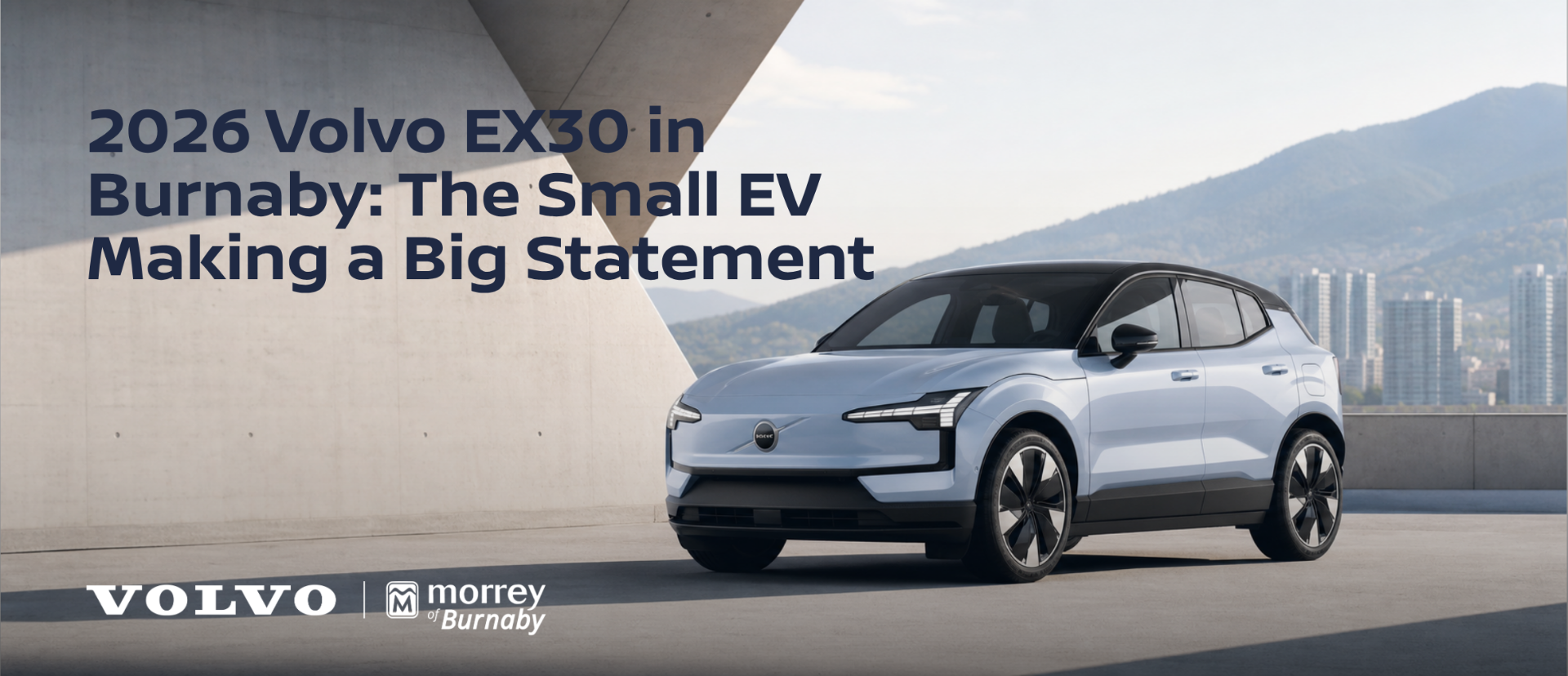
2026 Volvo EX30 in Burnaby: The Small EV Making a Big Statement
The Volvo EX30 Is Volvo's Most Exciting Car in Years. Here's Why Burnaby Buyers Are Paying Attention Volvo has always stood for something specific:...
Read moreMorrey Volvo Cars Burnaby
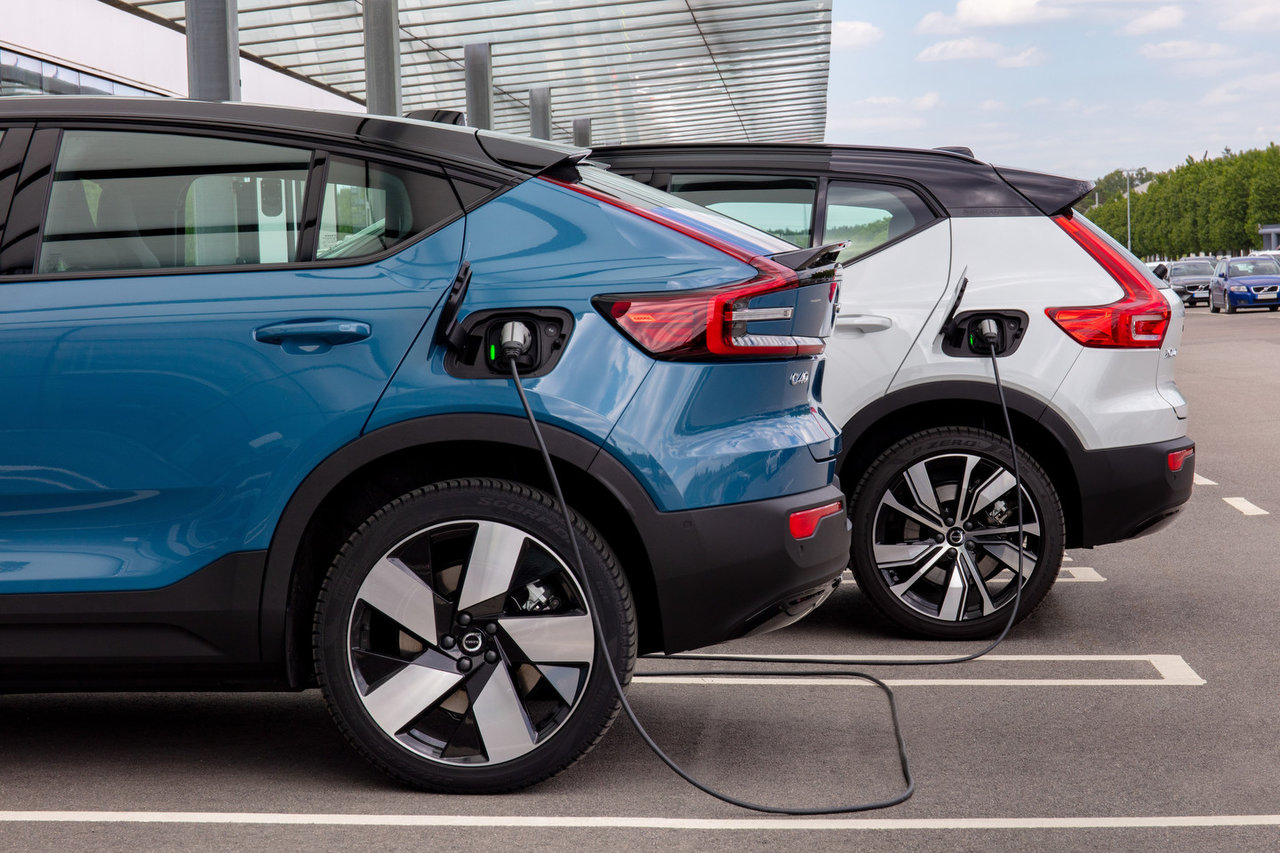
The popularity of electric vehicles has never been higher, and more and more consumers are turning to electrified cars and SUVs in order to save on fuel, but also to enjoy the enhanced comfort and performance of an EV.
Take the Volvo Recharge lineup, for example. The Volvo XC60 Recharge and XC90 Recharge now offer nearly 60 km of all-electric range, more than enough to do all of your daily trips and commutes without needing any fuel. That said, you also enjoy 455 horsepower which means quick accelerations, immediate passing, and remarkable performance overall. And you get all of this without needing to compromise on comfort, reliability, and safety.
One of the most important elements of owning an electric vehicle is charging the battery. The battery is what powers the electric motor in your electrified vehicle and whether it is a plug-in hybrid engine like in the XC60 Recharge or XC90 Recharge, or a fully electric motor like in the XC40 Recharge, you need to recharge the battery to use the electric powertrain.
And when it comes to charging, there are multiple options.
There are three different types of charging stations:
A Level I charger is essentially a traditional home charging outlet like a 110-volt or 120-volt wall outlet. Charging in a Level I outlet means plugging the vehicle in like you would plug a blender.
A Level II charger is a home wallbox our home charging station. This station is connected to a 240-volt outlet and charges considerably faster than a traditional Level I outlet.
A Level III charger or DC Fast Charger refers to the chargers you see at public charging stations. These can be Level II chargers which aren’t quicker than your home station, or then can be considerably quicker (50 kW, 100 kW, 150 kW, 350 kW etc…)
Differences between different Level chargers
Level I chargers are the slowest. They usually require 36 to 60 hours to charge a fully electric vehicle, and they are not recommended for EVs. However, they can charge plug-in hybrid vehicles considerably quicker because their batteries are smaller. You can charge a PHEV on a Level I charger in under 12 hours.
Level II chargers can charge a PHEV in a few hours or an electric vehicle like the XC40 Recharge in 8 to 10 hours.
Level III chargers are the quickest option. They charge in under an hour (to 80%) and can add hundreds of kilometres every hour even on a 50-kW charger. On a 150-kW charger, you can charge the XC40 Recharge to 80% in under an hour.
2026 Volvo EX30 in Burnaby: The Small EV Making a Big Statement
The Volvo EX30 Is Volvo's Most Exciting Car in Years. Here's Why Burnaby Buyers Are Paying Attention Volvo has always stood for something specific:...
Read more
How Modern Driver Assistance Actually Works, and What It Cannot Do
There is a gap between what driver assistance systems do and what drivers believe they do, and that gap is where the problems live. The technology...
Read more
Why April Is a Great Time to Buy a Volvo
Spring has arrived in the Lower Mainland, and if you've been thinking about buying a new vehicle, April is one of the best times to act. At Morrey...
Read morePowered and developed by
